5 Keys to Well-Formed Outcomes in Executive Coaching
Hi, Cherie here! In the world of executive coaching, defining clear and actionable goals is crucial for success.
Let's delve into the concept of well-formed outcomes, a pivotal strategy from Neuro-Linguistic Programming (NLP) that turns broad aspirations into tangible achievements. This methodology isn't just about setting goals; it's about crafting a roadmap for leaders to follow, ensuring their journey is as impactful as their destination.
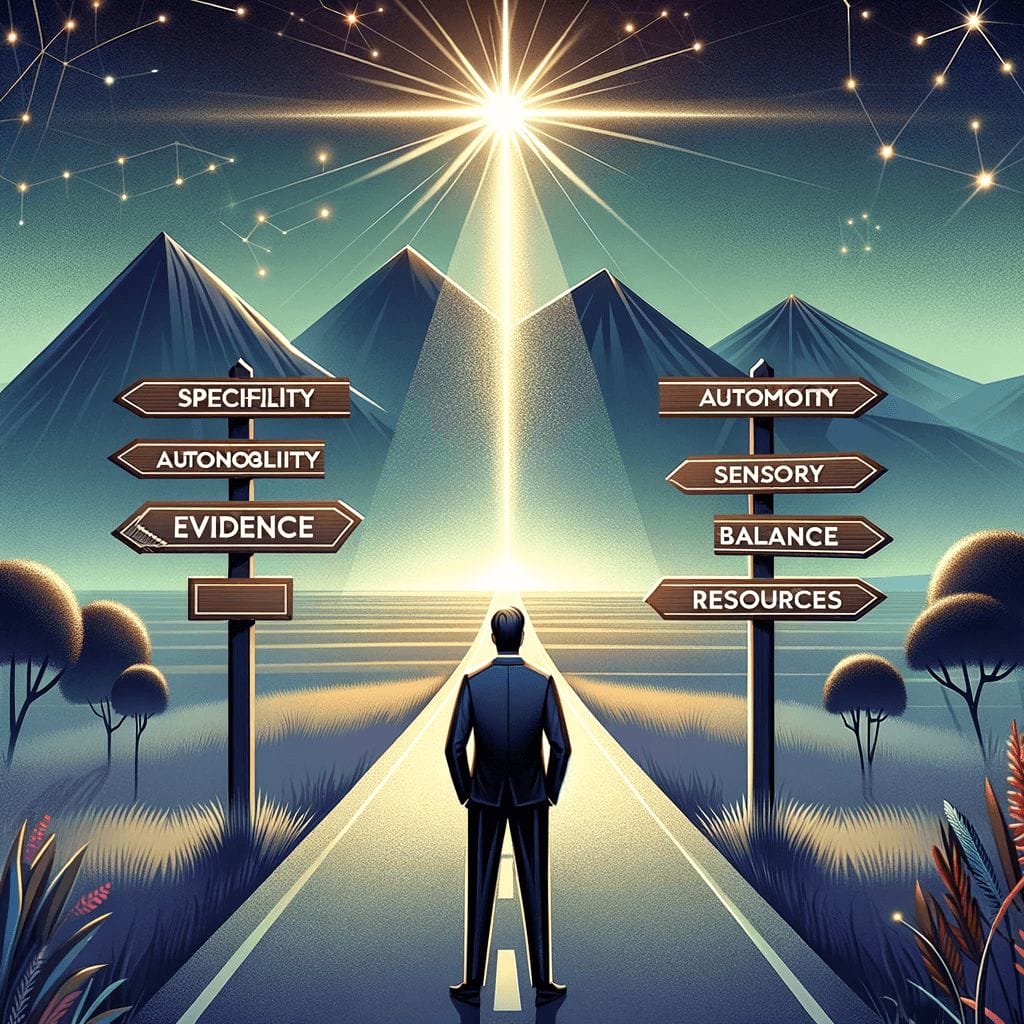
Here are five keys to unlocking the power of well-formed outcomes in executive coaching:
Key Takeaways
- Specificity transforms a general desire into a clear goal, making it easier to develop actionable steps.
- A well-formed outcome should be something the leader can initiate and maintain control over, fostering motivation.
- Sensory-based evidence creates a vivid mental picture of success and provides clear indicators of progress.
- Goals should harmonize with all areas of the leader’s life, ensuring sustainability and preventing conflicts.
- Identifying necessary resources upfront ensures leaders are prepared and equipped for their journey.
1. Specificity is Your Best Friend
The more specific an outcome, the clearer the target. Encourage leaders to articulate what they want to achieve in precise terms. This includes who, what, where, and when. Specificity transforms a general desire into a clear goal, making it easier to develop actionable steps toward achievement.
Specificity is Your Best Friend
2. The Outcome Must Be Initiated and Maintained by the Individual
Empowerment comes from within. A well-formed outcome should be something the leader can initiate and maintain control over. This autonomy is vital for motivation and ensures that the individual takes responsibility for their progress and success.
3. Sensory-Based Evidence
What will you see, hear, or feel once the goal is achieved? Identifying sensory-based evidence creates a vivid mental picture of success, making the outcome more tangible and realizable. It also provides a clear indicator of progress and accomplishment.
Make Progress Visible—Not Vague
If you can’t name what you’ll see, hear, or feel, it’s hard to track change. Get help defining evidence that keeps coaching on course.
Empowerment comes from within
4. Ecological for All Areas of Life
Goals should harmonize with all areas of the leader’s life, ensuring they are sustainable and beneficial on a personal, professional, and relational level. This balance prevents conflicts and promotes a holistic approach to achievement, contributing to overall well-being and satisfaction.
5. Resources Identified
Understanding what resources are needed to achieve an outcome is crucial. This could be skills, knowledge, support networks, or physical tools. Identifying these resources upfront ensures that leaders are prepared and equipped for the journey ahead.
By integrating these keys into your coaching practice, you can help leaders craft well-defined, achievable goals that pave the way for meaningful change and success. These principles not only guide the goal-setting process but also enrich the coaching experience, fostering a deeper sense of purpose, clarity, and direction in the leaders you work with.
Until next time, Cherie 💚
Pressure-Test Your Outcome Before You Commit
In a free consult, we’ll refine your coaching goal for specificity, control, and resources—so you leave with a clear next step.
Book a Free Consultation →