5 Transformative Coaching Techniques for Agile Leaders
What are the best coaching techniques for agile leaders?
Five techniques define effective agile leadership coaching: active listening that captures emotion behind words, not just content; insightful questions like "What if?" that open possibilities rather than deliver solutions; person-centric focus on long-term resilience over immediate problem-solving; strategic silence that creates reflection space; and emotional intelligence that sharpens communication and conflict resolution.
Hi, Cherie's here,
In the fast-paced world of agile leadership, effective coaching plays a crucial role in enhancing team dynamics and organizational growth. Drawing from my experience in professional coaching and agile methodologies, I want to share five practical strategies that can significantly impact leadership and team performance:
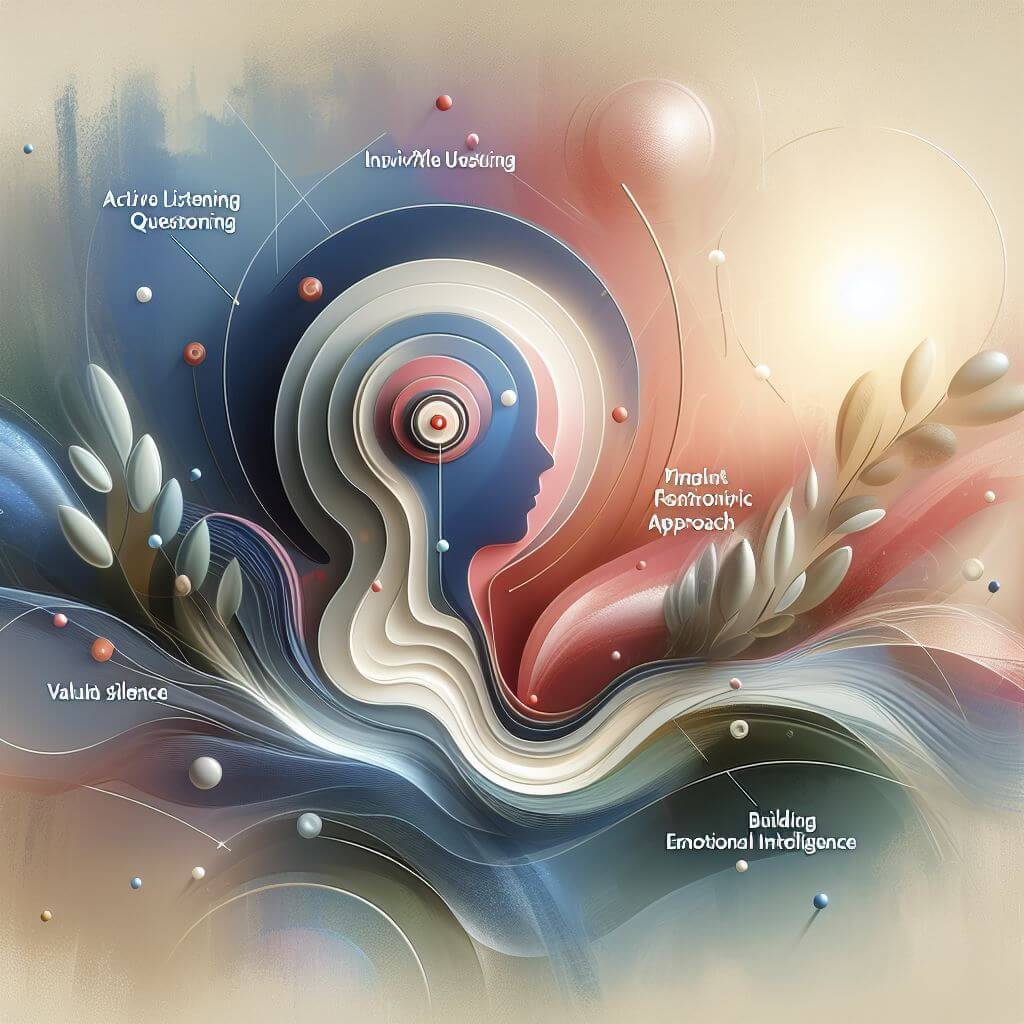
- Active Listening: It's essential for agile leaders to truly listen to their team members. This means paying attention not only to the words being spoken but also to the emotions and thoughts behind them. Good listening can uncover valuable insights and foster a deeper understanding.
- Asking Insightful Questions: Instead of offering solutions, focus on asking questions that encourage individuals to think deeply and explore new perspectives. Questions like 'What if?' and 'How might we?' can open up possibilities and stimulate creative thinking.
- Person-Centric Approach: Concentrate on the individual's growth and development beyond just solving immediate problems. This approach helps in building resilience and adaptability, which are critical in agile environments.
- Valuing Silence: Don't underestimate the power of pausing and allowing silence in conversations. Silence can give both the coach and the coachee time to reflect and can lead to more thoughtful insights and decisions.
- Building Emotional Intelligence: For agile leaders, understanding and managing one's own emotions, as well as empathizing with others, is key. Emotional intelligence can significantly improve communication, conflict resolution, and team cohesion.
Implementing these strategies can help create a more dynamic, responsive, and effective agile team. They emphasize the importance of personal growth, adaptability, and the power of thoughtful questioning in driving team success. For the full engagement structure these techniques support, what a full executive coaching engagement involves covers the ASPIRE process from assessment through sustainability design. The assessment tools executive coaches use — ProfileXT, Genos EQ, 360-degree feedback, and LEAD NOW! — provide the behavioral baseline that makes these agile techniques precise rather than generic.
Until next time, Cherie 💚
Key Takeaways
- Listening means tracking the emotion and thought beneath the words — not just waiting for your turn to respond.
- Questions that open possibility ("What if?", "How might we?") outperform advice every time in agile coaching conversations.
- Silence is data. Rushing past it cuts off the most honest thinking the coachee was about to do.
- Emotional intelligence isn't soft — it is the precision instrument that makes every other agile leadership technique land.
- Behavioral baselines from assessments like 360 feedback and EQ tools transform generic coaching techniques into targeted interventions.
Make These 5 Techniques Stick in Real Meetings
Book a free consult to map these coaching moves into your 1:1s, retros, and tough conversations—without sounding scripted.
Book a Free Consultation →